
Home Buying
Can You Have Multiple Properties With A Single VA Loan?
Can You Have Multiple Properties With A Single VA Loan? You’re trying to buy a property and it includes more than one parcel or lot
Carlos Scarpero- Mortgage Broker

If you’ve ever thought, “There’s no way I’m giving up my 2 or 3 percent mortgage rate,” you’re not alone. A recent proposal would let homeowners transfer their existing mortgage rate to a new home instead of taking a brand new loan at today’s much higher rates. It sounds like a perfect fix for the lock-in effect, but the reality is more complicated.
A portable mortgage allows you to move your existing mortgage from one property to another. Instead of paying off your loan when you sell and taking out a new mortgage on your next home, you would transfer the loan—and its interest rate—to the new property.
This seems straightforward, but whether it works for you depends on the structure of the loan, how much equity you have, and the way mortgages are funded in your country.
When mortgage rates are low, many homeowners lock in 2 percent or 3 percent loans. Fast forward to a period with 6 percent rates, and those homeowners are reluctant to sell because moving means trading a low-rate mortgage for a much higher one. That reluctance to sell is called the lock-in effect. A portable mortgage aims to reduce the lock-in effect by letting people keep their low rate when they buy another home.
Countries like Canada and the U.K. offer portability in some form, but their mortgage systems are structured very differently. That matters.
Key differences to know:
Understanding securitization is critical. In the U.S., lenders often originate loans and then sell them to investors in the form of mortgage-backed securities (MBS). Those investors expect certain cash flows tied to specific loan terms and collateral. You can’t simply tell the market to keep an old interest rate attached to a new property without addressing how the securities were structured and sold.
Because mortgages are sold into the bond market, any change that allows loans to be portable would ripple through investors, servicing agreements, and underwriting rules. That is not a simple regulatory tweak; it is a structural change to how mortgage finance operates.
A few of the biggest obstacles:
Even if portability existed tomorrow, you would rarely be able to transfer the entire mortgage balance and keep a single, low rate on everything. Here’s why.
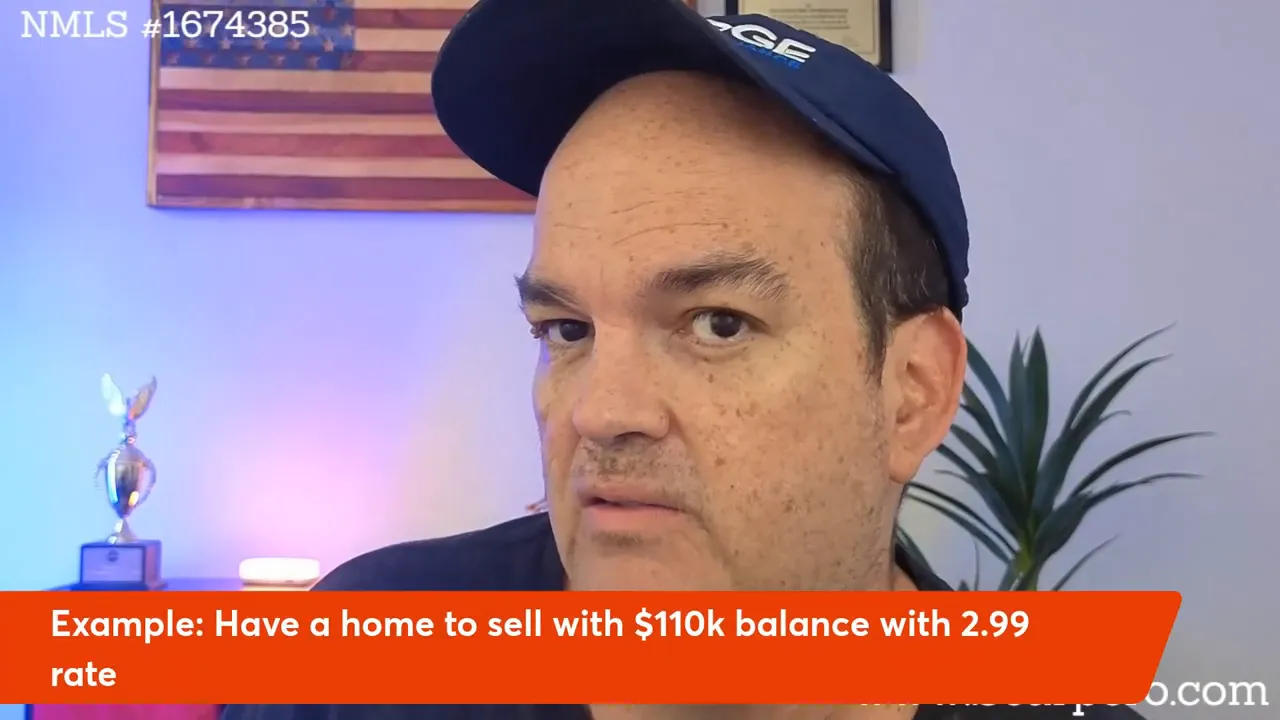
Imagine you owe $110,000 on your current low-rate mortgage, but your next house requires a $410,000 mortgage. You can transfer the $110,000 loan to the new house, but you still need financing for the remaining $300,000 to $310,000. That gap becomes a second loan.
Take the 30 second mortgage quiz to see if you qualify |
| Start The Quiz |
Second mortgages typically carry higher rates than first mortgages. That higher-rate second loan can wipe out the savings from carrying your old low-rate first mortgage forward. In many realistic moves—upsizing to a larger, more expensive home—you won’t be transferring the full balance, so the net benefit is limited.
Portability could make sense in a narrow set of scenarios: for example, if you buy a similar-priced home and your loan balance remains roughly the same. It might also work for homeowners who have lots of equity or who move to a property that doesn’t require a substantial top-up. Those cases exist, but they are not the majority.
Proposals often enter the public conversation as quick policy wins. Politically, portability sounds like an easy way to help homeowners without changing rates. Practically, implementing it in a market built on securitization is complicated and costly. Even with good intent, the result could be limited and slow to materialize.
The bottom line: portability is an attractive idea on paper, but expect a long timeline, major system changes, carve-outs that leave most older loans untouched, and limited benefit for buyers who need large additional financing.
If you’re weighing a move rather than depending on a policy fix, focus on actionable options you control:
Some mortgages are assumable, but many are not. Assumability depends on the loan's terms and investor rules. Even when a loan is assumable, lenders often require credit approval and may charge fees. Assumable loans are different from a broad portability policy and are relatively rare for conventional loans.
No. In most cases you would only transfer the existing loan amount. The extra financing for a pricier home would be a separate loan, usually at a higher rate, which can negate much of the savings from the transferred loan.
Most likely not. Because many older loans are already securitized, applying portability retroactively would create major legal and financial complications. New rules would probably apply only to loans originated after an implementation date.
No. Even with portability, the structural changes required, investor and lender buy-in, and the narrow scenarios where portability truly helps mean it is not a quick or universal solution.
Portability is an idea that addresses a real pain point: nobody wants to lose a historically low mortgage rate. But ideas meet markets, and in the U.S. the mortgage market is built on systems that do not lend themselves to a simple portability switch. If you’re planning a move, focus on the numbers and the financing options available to you now instead of waiting for a policy fix that could take years and help only a subset of homeowners.

Can You Have Multiple Properties With A Single VA Loan? You’re trying to buy a property and it includes more than one parcel or lot

How To Get A VA Loan When You Work On Commission If you earn commission instead of a steady salary, qualifying for a VA loan

Can You Refi a VA Loan With Bad Credit? If you have a VA loan and a low credit score, you might assume refinancing is